

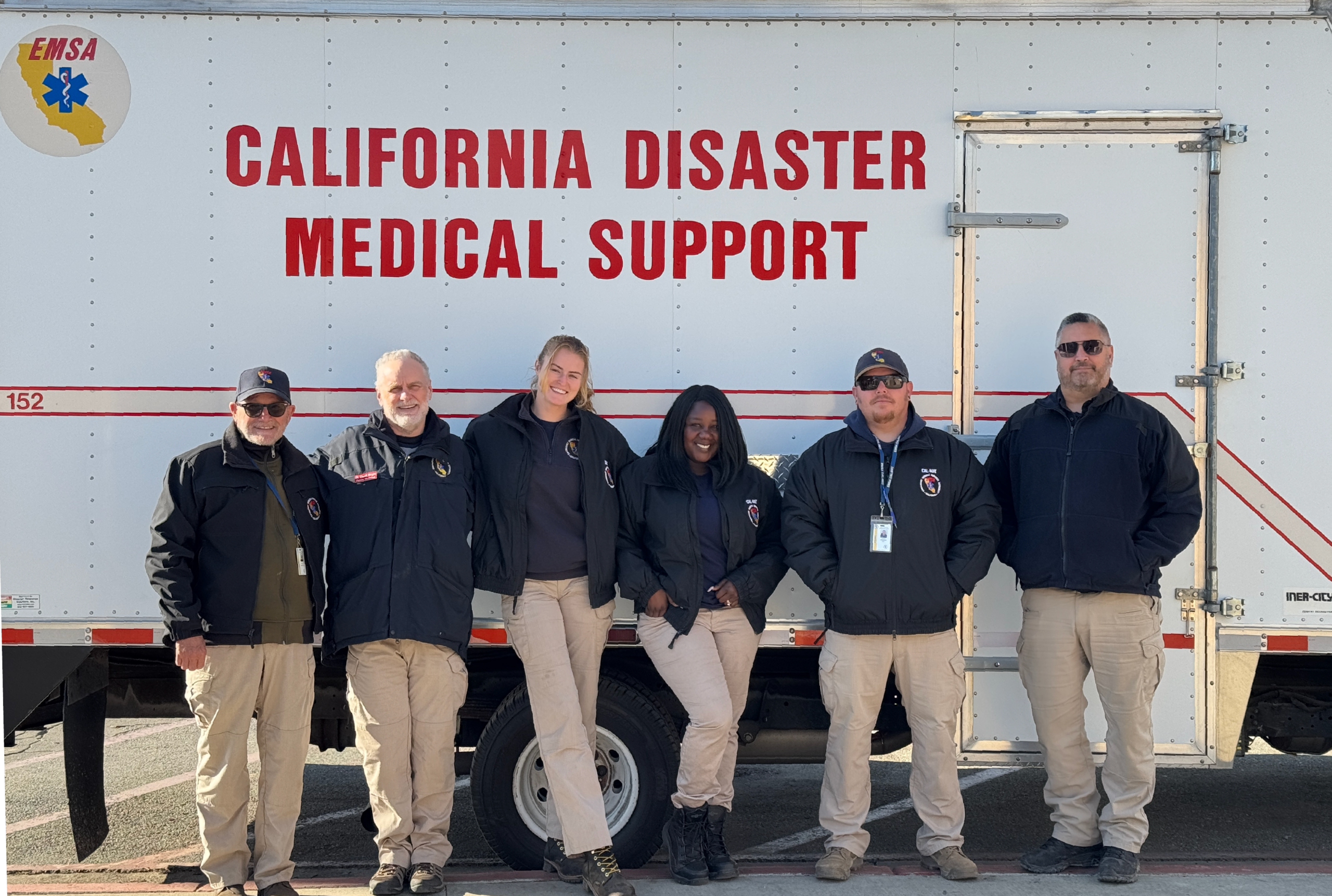
During a recent wildfire, a firefighter cut his hand while repairing a fire engine. Normally, an injury like that means a trip to the hospital, pulling the firefighter off the line and using up medical resources that evacuees also need.
That’s not what happened this time. A physician from California’s Medical Assistance Team (CAL-MAT) was already on site at the California Department of Forestry and Fire Protection (CAL FIRE) base camp, the temporary home base where fire crews stay while deployed. The CAL-MAT physician treated the firefighter right there. He got back to work and was able to remain focused on the mission of saving lives and protecting property.
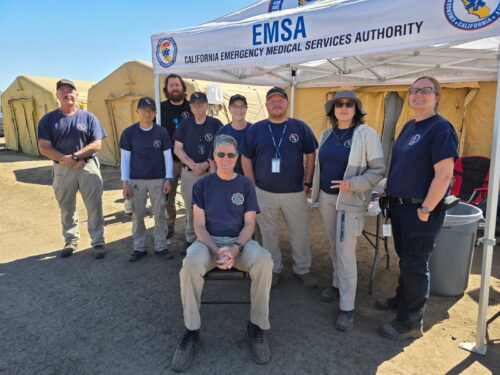
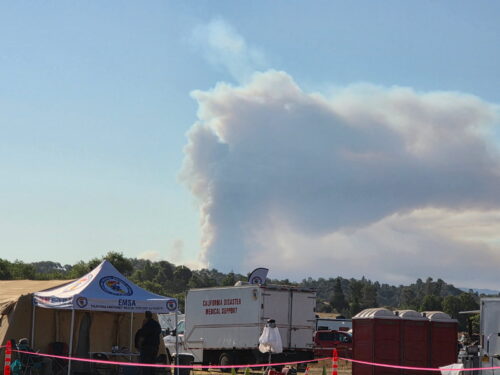
It’s a small story, just one out of many, but it shows exactly what CAL-MAT does: keep emergency responders in the field and relieve pressure from local health systems during a crisis.
In 2025 alone, nearly 800 firefighters were able to return to duty after receiving care. From 2024 to 2026, about 80% of patients treated by CAL-MAT returned to duty.
“CAL-MAT deployments are essential to CAL FIRE’s response during major fires,” said CAL FIRE Staff Chief Nicole Gissell. “Its medical teams provide in-camp medical support to firefighters, helping CAL FIRE crews remain medically fit and operational. On-site medical care at base camp enables firefighters to receive high-quality treatment for a wide range of conditions, including cuts, burns, and heat illness, so they can be treated, stabilized, and quickly returned to the fire line. When CAL-MAT is unavailable, firefighters may need to be released or removed from the operation and transported to a medical facility for treatment, leaving their crew short-staffed. CAL-MAT treats hundreds of firefighters, ensuring they remain medically fit throughout the fire year.”
Providing medical care at wildfire base camps is CAL-MAT’s most frequent mission, but it is far from its only mission.
CAL-MAT provides support during wildfires, floods, earthquakes, pandemics, and any incident where a local jurisdiction is overwhelmed and needs backup.
Here’s what that support can look like:
- At firefighter base camps: CAL-MAT operates under a formal agreement with CAL FIRE to provide patient care.
- During a hospital surge: CAL-MAT sets up on-site medical care and triage and helps coordinate patients elsewhere. When patient volume is especially high, EMSA can also deploy Mobile Medical Shelters to ease the load on local hospitals.
- During disease outbreaks: At base camps, CAL-MAT helps prevent illness from spreading among responders, enforcing infection-control practices, isolating sick personnel, and working with the CAL FIRE Medical Unit Leader following their procedures to implement best practices.
- At major public events: CAL-MAT adds medical capacity when large gatherings need it. EMSA, for example, is already helping plan medical and emergency response for the LA28 Olympic and Paralympic Games, working alongside state, local, and federal partners on a response plan that could include CAL-MAT.
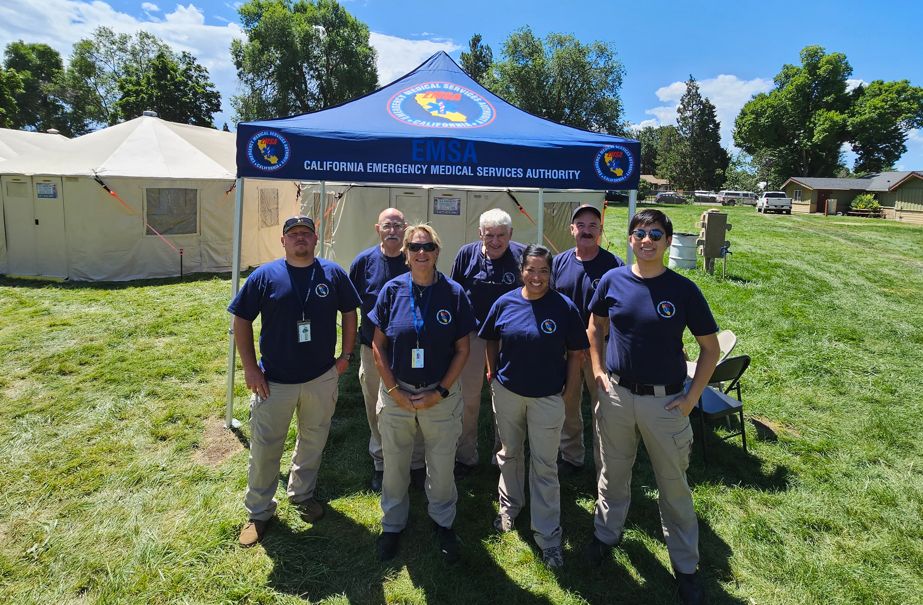
The CAL-MAT program is led by California’s Emergency Medical Services Authority (EMSA).
“EMSA’s role is to ensure CAL-MAT is more than a roster of volunteers. It is a credentialed, trained, and deployable medical capability ready to respond anywhere in California,” said EMSA Division Chief Time Reed. “Through credential verification, roster management, and ongoing training and exercises, we assemble multidisciplinary teams prepared to provide care in austere disaster environments. Our close coordination with CAL FIRE allows us to deploy those teams directly to incident base camps, where they care for firefighters and other incident personnel. This partnership reduces avoidable off-site transports, helps preserve the operational workforce, and ensures the people protecting California receive the care they need to stay in the fight.”
Who Serves on CAL-MAT
CAL-MAT members are medical and non-medical professionals in the community who are brought on as emergency hire temporary state employees.
While serving, CAL-MAT members are protected under non-discrimination and workers’ compensation laws. Malpractice coverage is available for medical team members.
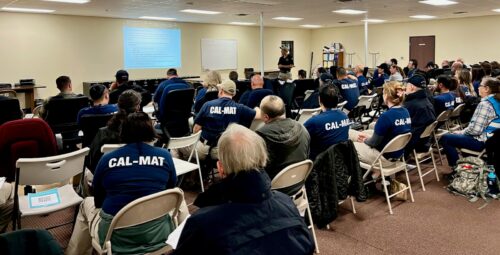
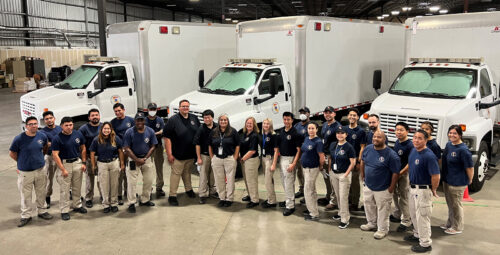
Serving on CAL-MAT isn’t just a service to affected communities. It’s a professional development opportunity too. Members return to their regular jobs with sharper skills and a better understanding of how other parts of the medical system work.
How You Can Help
Building CAL-MAT into a stronger, more resilient program is one of EMSA’s top priorities. Here’s how people and organizations can support that work:
- Spread the word. Share recruitment opportunities with your professional network.
- Give members a platform. Invite a CAL-MAT member to speak at a conference, campus, or professional association. Requests: MAT@emsa.ca.gov.
- Invest in capacity. Consider providing financial or in-kind support to amplify state investments in training, exercises, and equipment to close resource gaps and help the program scale to meet future needs.
- In addition to building capacity to serve patients and relieve local healthcare systems, these investments:
- Strengthen the state’s healthcare workforce – equipping CAL-MAT members with additional skills and experiences they can bring back to their home communities.
- Build statewide climate resilience, especially given increased frequency, intensity, and severity of wildfires.
- In addition to building capacity to serve patients and relieve local healthcare systems, these investments:
Lastly, to every CAL-MAT member: thank you. Your time and expertise have made a real difference. Because of your work, thousands of individuals have received critical care and support—and thousands more.